
Why Do Emergency Funds Matter? The Ultimate Guide to Financial Security
The Importance of an Emergency Fund
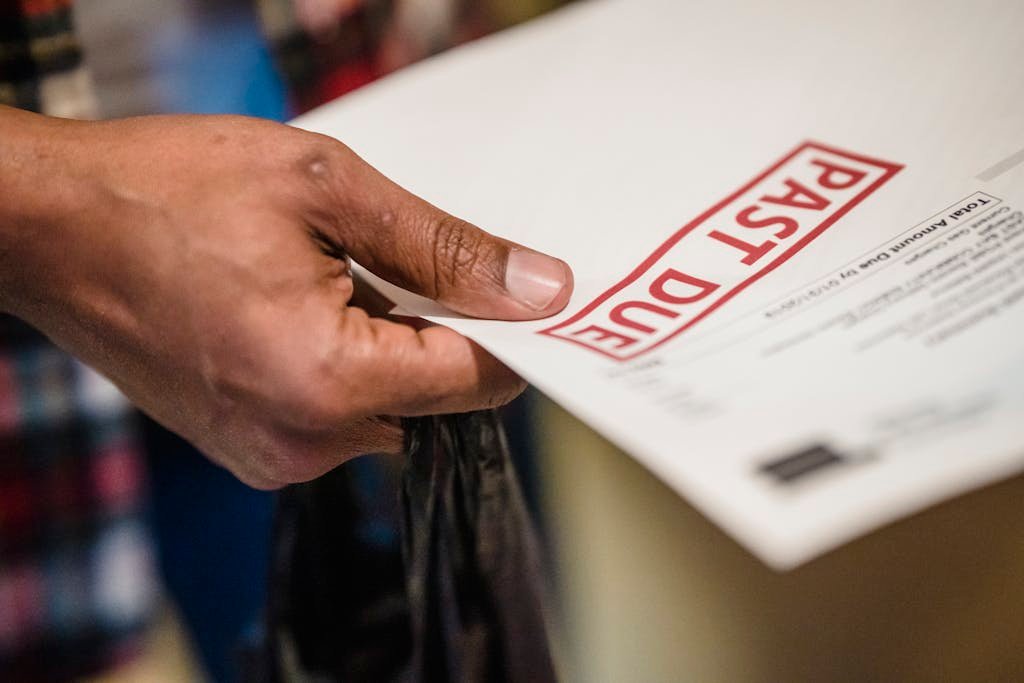
Life has a way of throwing curveballs when we least expect them. From sudden job loss to surprise medical bills, financial emergencies can happen to anyone. As the federal government shutters nonessential operations and hundreds of thousands of workers face furloughs or delayed paychecks during the latest shutdown, financial vulnerability is no longer a distant “what if”—it’s a reality for many.
For those living paycheck to paycheck, even a brief income disruption can ripple through housing, groceries, medical bills, loan payments, and more. A robust emergency fund is your first line of defense—not merely a “nice to have,” but a practical necessity when uncertainty arrives uninvited. In this guide, we’ll explore exactly what an emergency fund is, how much you should aim to save, where to keep it, and how to build it step by step, arresting financial anxiety before it takes hold.
What Is an Emergency Fund?
Definition and Purpose
An emergency fund is a pool of money set aside to cover unplanned expenses. Think of it as your personal safety net for life’s surprises. Unlike your regular savings or investments, this money is reserved strictly for emergencies.
Difference Between Savings and Emergency Funds
A regular savings account might fund vacations, holidays, or big-ticket purchases. An emergency fund, on the other hand, is not meant for fun—it’s your first defense against financial disasters like medical bills, layoffs, or car breakdowns.
Why Do Emergency Funds Matter?
Protecting Against Job Loss
Losing a job can be one of life’s most stressful experiences. An emergency fund ensures you can pay rent, buy groceries, and cover essentials until you find new employment.
Handling Unexpected Medical Expenses
Even with insurance, medical bills can be overwhelming. An emergency fund helps cover deductibles, co-pays, and out-of-pocket costs.
Covering Urgent Home and Car Repairs
Your car breaks down or your roof starts leaking—both can be expensive emergencies. Having cash set aside keeps you from resorting to high-interest loans.
Preventing Debt and Credit Card Dependence
Without an emergency fund, many people rely on credit cards. Unfortunately, that can spiral into long-term debt. An emergency fund allows you to pay upfront, avoiding unnecessary interest.
How Much Should You Save in an Emergency Fund?
The Conventional Wisdom: 3-6 Months
When it comes to deciding how much to save, the conventional wisdom suggests an emergency fund equal to 3–6 months of living expenses. That’s a solid starting point, especially for someone just beginning their financial journey.
The WISE360 Wisdom: 6-12 Months
In my experience as a financial advisor, I often encourage clients to aim higher—closer to 6–12 months. Why? Because life rarely unfolds as neatly as a financial textbook. Job searches can take longer than expected, health setbacks may create additional expenses, and major life transitions—like caring for family or navigating a career change—can stretch beyond a few months. A larger cushion provides not only more financial protection, but also peace of mind and the confidence to make thoughtful decisions rather than rushed ones when life throws the unexpected your way.
Factors That Influence Your Ideal Fund Size
- Job security: If your job is unstable, save closer to six months.
- Dependents: Families with children may need larger funds.
- Health conditions: Ongoing medical needs may increase the target amount.
Building Your Emergency Fund: Practical Steps
At WISE360, we believe money is more than numbers on a spreadsheet—it’s a tool to design a life aligned with your values and vision. Building an emergency fund is one of the most practical ways to live out that philosophy. Here’s how to get started:
- Start with Clarity. Calculate your essential monthly expenses—housing, food, utilities, transportation, insurance—and use that as your baseline. From there, set a target of 6–12 months of expenses, giving yourself a range to work toward.
- Break It Down. A large goal can feel overwhelming, so divide it into smaller milestones. For example, first aim for $1,000, then one month’s expenses, then three months, and keep going until you reach your target.
- Automate Savings. Treat your emergency fund like a non-negotiable bill. Automating transfers each payday ensures consistency without relying on willpower.
- Align with Your Values. If freedom, security, or peace of mind are priorities, let that “why” fuel your consistency. Saving becomes less about sacrifice and more about empowerment.
- Protect and Review. Keep your fund in a safe, liquid account and revisit it annually as your life and expenses evolve. Your fund should grow with you, reflecting not only your needs but also your vision for a purposeful life.
In short, building an emergency fund isn’t just about preparing for the worst—it’s about creating the confidence to live fully, knowing you’re secure no matter what life brings.
Where Should You Keep Your Emergency Fund
High-Yield Savings Accounts
The ideal home for your emergency fund is somewhere safe, liquid, and easily accessible. High-yield savings accounts are one of the best options—they’re FDIC insured, separate from your everyday spending money, and often pay a higher interest rate than traditional savings accounts, while being liquid.
Money Market Accounts
Money market accounts or even a dedicated checking account can also work, as long as they allow quick, penalty-free access. The goal isn’t to chase the highest return, but to strike the right balance between security and accessibility. In an emergency, the peace of mind of knowing your money is immediately available far outweighs the modest interest you might earn elsewhere.
What to Avoid: Risky or Illiquid Investments
While it might be tempting to park your emergency fund in investments that promise higher returns, this strategy can backfire. Stocks, mutual funds, or other volatile assets expose your safety net to unnecessary risk—precisely what you want to avoid in an emergency.
Even relatively safe vehicles like Certificates of Deposit (CDs) can create problems. Although they offer stability, CDs typically lock your money in for a set period, and withdrawing early often means paying penalties or forfeiting interest.
The whole point of an emergency fund is to have quick, penalty-free access to your cash when life surprises you. That’s why it’s best to steer clear of anything risky or illiquid and focus on accounts where your money is always available.
Common Mistakes People Make with Emergency Funds
Even with the best intentions, many people fall into traps that undermine the very purpose of an emergency fund. Here are some of the most common mistakes to avoid:
- Not Saving Enough. Stopping at $1,000 or a single month of expenses leaves you vulnerable. Real emergencies—like job loss, medical issues, or caregiving needs—often last longer. Aim for 6–12 months to create true financial security.
- Dipping Into It for Non-Emergencies. A vacation, new furniture, or holiday shopping doesn’t count as an emergency. When you blur the lines, your fund won’t be there when you need it most.
- Keeping It in the Wrong Place. Stashing your emergency fund in risky investments or locked accounts (like CDs or retirement accounts) can make it inaccessible—or worse, shrink its value when the market dips. Liquidity and safety should always come first.
- Mixing It With Everyday Money. If your emergency fund sits in the same account as your checking or spending money, it’s far too easy to use it unintentionally. A dedicated account helps protect it from temptation.
- Forgetting to Replenish. Emergencies happen—that’s the point of having the fund. But many people forget to rebuild it after dipping in, leaving themselves unprepared for the next surprise. Always make replenishing a top priority.
- Failing to Review and Adjust. Life changes—housing costs rise, families grow, jobs shift. An emergency fund should evolve too. Review it at least annually to ensure it still matches your actual needs.
At WISE360, we see an emergency fund not just as financial padding, but as a cornerstone of purposeful living. Avoiding these mistakes ensures that your safety net remains strong, ready to protect you when life takes an unexpected turn.
Conclusion: Peace of Mind Through Emergency Funds
At the end of the day, an emergency fund is more than just money in the bank—it’s your shield against life’s uncertainties. By saving 6–12 months of essential expenses, keeping your fund in a safe and liquid place, and avoiding common pitfalls, you create the freedom to handle challenges with confidence instead of fear.
At WISE360, our mission is to help you see money differently and live more purposefully. That’s why we offer practical tools and resources to guide you on your journey:
- The WISE360 Ultimate 5-Year Zero-Based Budget Planner – a comprehensive tool to map out and track your long-term financial goals. You can learn more about why zero-based budgeting (ZBB) rocks by reading one of our articles here.
- Our Free Annual Budget Planner – a simple yet powerful way to start building healthy money habits right away.
- Free and Premium eCourses & Books (coming soon!) – designed to teach you financial strategies step by step, with a focus on real-life application and purpose-driven living.
Your emergency fund is the first step toward mastering your money—and with the right tools, you can build not just security, but a life aligned with your values and vision.
Ready to take the next step? Download our free Annual Budget Planner or explore the Ultimate 5-Year Zero-Based Budget Planner today, and start building your path to financial security with confidence.
🔗 External Resource: Investopedia – Emergency Fund Basics
At WISE360, we believe money is more than numbers — it’s a tool to help you live fully, navigate life’s transitions, and create wealth that goes beyond money. We offer practical financial tools, empowering financial literacy resources, and inspirational WISE360 Lifestyle merch to make mindful money practices part of everyday life.
Want to bring these insights into your own journey? Join the WISE Circle — our free community where mindful money, financial confidence, and purposeful living come together.